

What are the hazards of internal leakage of multi-way valves?
Release time:
2024-09-29 16:21
System performance degradation
Insufficient power of the actuator: When the multi-way valve internal leakage occurs, the hydraulic oil leaks from the high-pressure chamber to the low-pressure chamber, so that the effective flow of the supply components (such as hydraulic cylinders or hydraulic motors) is reduced. According to the basic principle of the hydraulic system, the output force and speed of the actuator are related to the flow and pressure. For example, in the working process of the excavator, if the multi-way valve leaks inside, the flow rate obtained by the hydraulic cylinder used to drive the bucket to dig is reduced, and the digging force and digging speed of the bucket will be reduced, resulting in a decrease in work efficiency.
Slow motor response: Due to the loss of flow caused by internal leakage, the response time of the execution element to the operation command will become longer. For example, when the loader lifts the boom, the boom should rise rapidly after operating the multi-way valve lever, but because of internal leakage, the hydraulic oil cannot reach the boom hydraulic cylinder in time and in sufficient quantity, and the rising action of the boom will become Slow, affecting the operating performance and working rhythm of the equipment.
Pressure instability: Internal leakage will change the pressure distribution inside the multi-way valve. Under normal circumstances, the pressure of the hydraulic system is relatively stable to ensure that the actuator works under appropriate pressure. However, internal leakage will cause part of the oil to flow in the unexpected channel, resulting in system pressure fluctuations. This pressure fluctuation may further affect the normal operation of other hydraulic components, such as making the hydraulic pump frequently adjust the output pressure, increasing the loss of the pump.
Energy waste and cost increase
hydraulic oil loss: Internal leakage directly leads to the waste of hydraulic oil. Hydraulic oil leaks from the high-pressure area of the multi-way valve to the low-pressure area, and then may return to the oil tank through other channels or flow in a non-operating state inside the system. Over time, leaking hydraulic oil accumulates and requires frequent replenishment of hydraulic oil. This not only increases the cost of hydraulic oil, but also increases the maintenance workload of the equipment.
Energy waste: The work of the hydraulic system is to convert mechanical energy into hydraulic energy through a hydraulic pump to drive the actuators to work. When internal leakage occurs, the hydraulic pump needs to output more hydraulic energy to make up for the flow loss caused by the leakage, which means that the hydraulic pump needs to consume more electrical energy or mechanical energy. For example, in large hydraulic equipment, energy waste caused by internal leakage will significantly increase the operating cost of the equipment, and it does not meet the requirements of energy saving.
System overheating and component damage
System overheatingInternal leakage will cause the hydraulic oil to flow in the non-working channel. This part of the hydraulic oil will generate additional energy loss, which is mainly emitted in the form of heat energy. If the internal leakage is large, it will cause the oil temperature of the hydraulic system to rise. Excessive oil temperature will reduce the viscosity of the hydraulic oil, further aggravate the internal leakage, and form a vicious circle. At the same time, high temperature will also affect the performance of hydraulic oil, such as reducing its lubrication performance and oxidation resistance, and accelerating the deterioration of hydraulic oil.
Component damage: Overheating of the system and unstable pressure due to internal leakage will cause damage to other components in the hydraulic system. For example, the high temperature will make the rubber seal aging, hardening, loss of sealing performance, resulting in more leakage points. In addition, the pressure fluctuation may cause an impact on the internal structure of the hydraulic pump, hydraulic cylinder, etc., and shorten the service life of these components. For example, frequent pressure fluctuations may damage the piston seal of the hydraulic cylinder, causing the hydraulic cylinder to leak or fail to work properly.
Previous Page
Related News
What are the hazards of internal leakage of multi-way valves?
When the internal leakage of the multi-way valve occurs, the hydraulic oil leaks from the high-pressure chamber to the low-pressure chamber, so that the effective flow of the supply components (such as hydraulic cylinders or hydraulic motors) is reduced.
How to solve the problem of internal leakage of multi-way valve?
Seal inspection: first of all, the multi-way valve needs to be disassembled and the internal seals are carefully inspected. The seal may be a rubber seal, a combination seal, etc.
What is the working principle and function of the multi-way valve?
Use the relative movement of the valve core to the valve body to turn on, turn off or change the direction of the oil flow
Introduction to the principle and working principle of hydraulic lock
The hydraulic lock uses the pressure of the hydraulic oil to lock the moving parts in a set position through the lock core to play a protective role.
What are the good or bad detection methods of hydraulic lock?
The quality of hydraulic lock can be tested by static test and dynamic test.
Recommend products
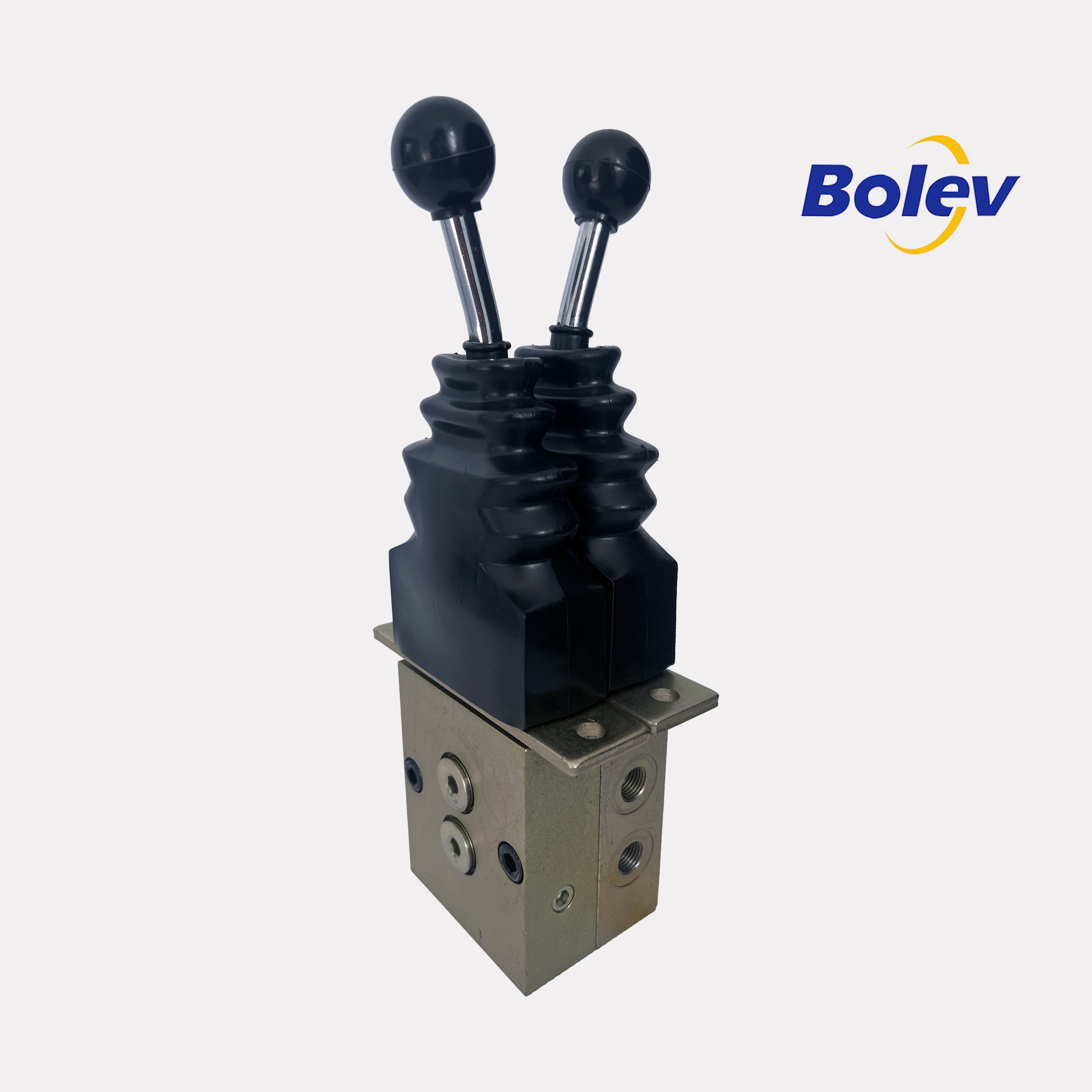
Hydraulic Pilot Valve R220-9 Joystick 220LC-9S Excavator New Condition Lever Pilot Control
Directional Control Valve Series
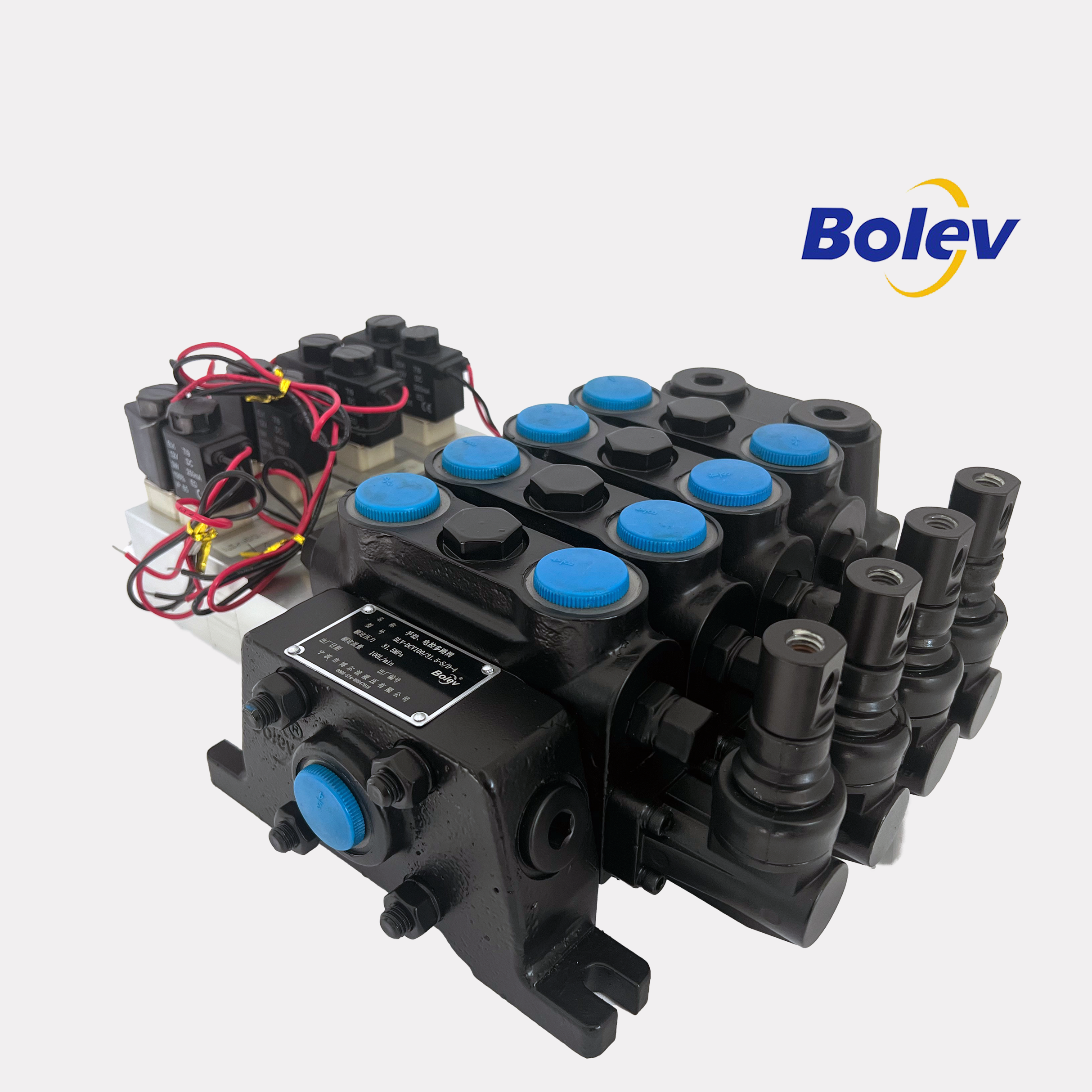
DCV60 Air-Piloted Solenoid Sectional Sanitation Vehicle Excavator Directional Control Valve
Directional Control Valve Series
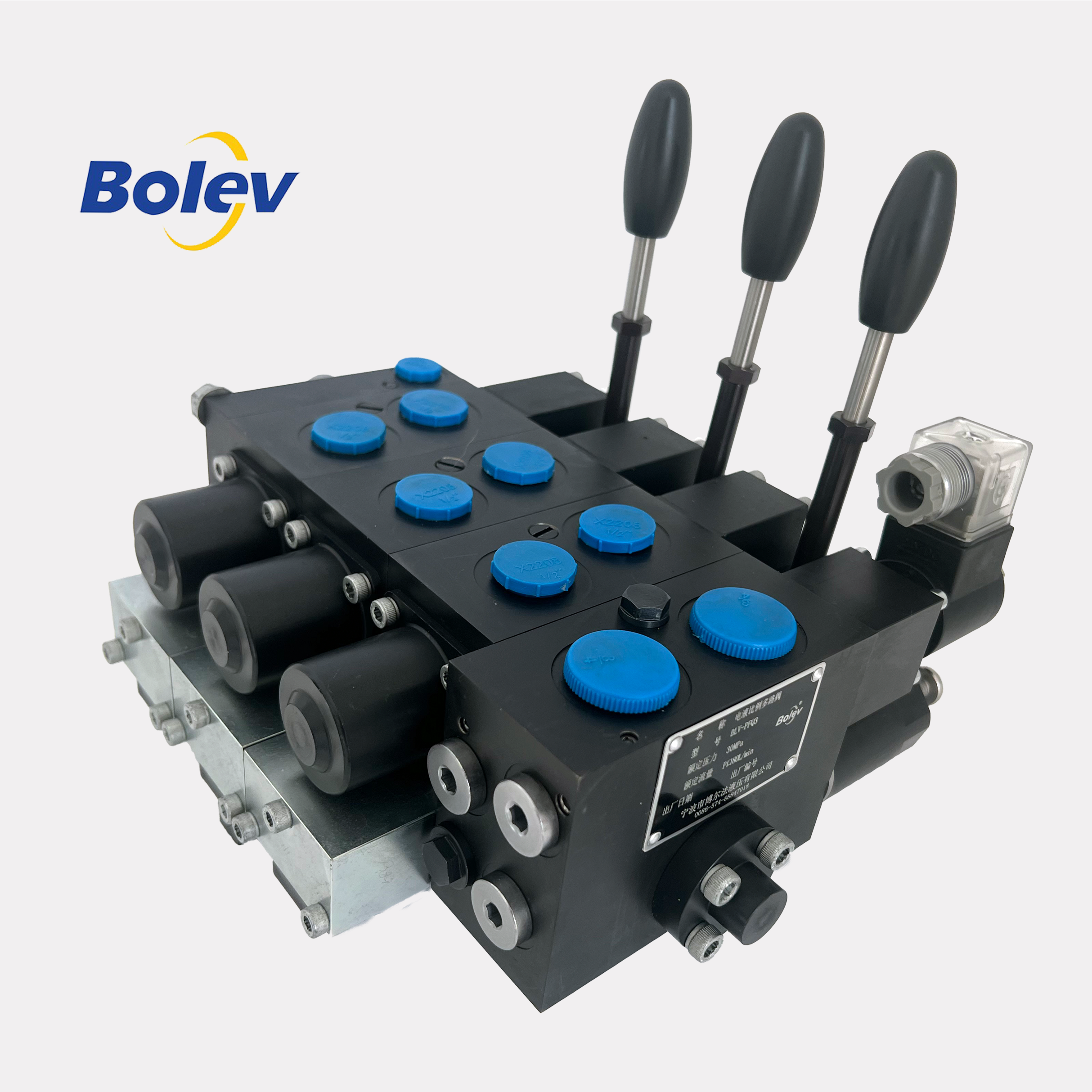
Pressure Compensation Manual Electro-Hydraulic Control psv/psl3 sectional hydraulic valve
Directional Control Valve Series
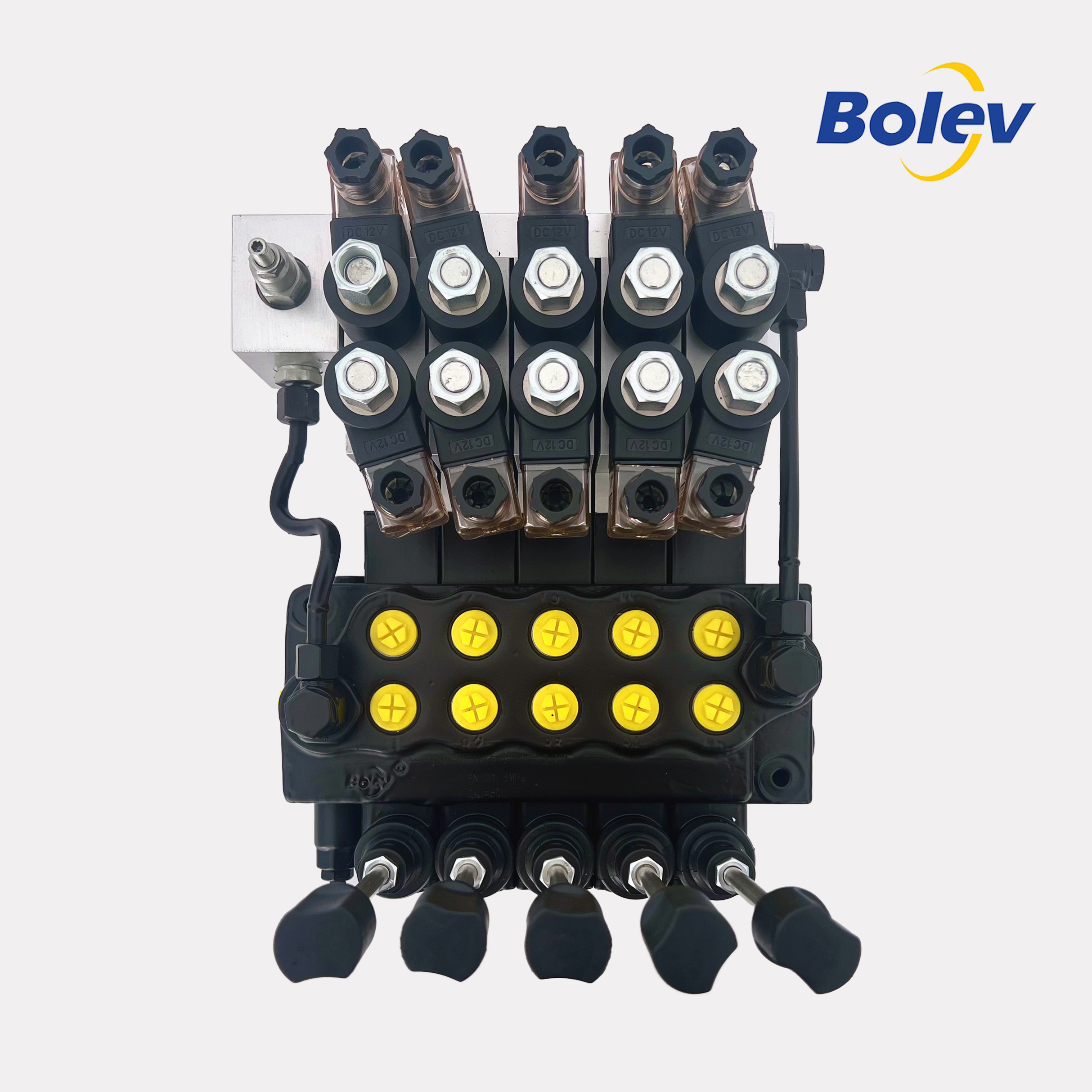
SD series Monoblock Electric-hydraulic Directional Hydraulic Control Valve 60L
Directional Control Valve Series
Contact Us
Address: No.27 Zongyan Road,Xikou Industrial Zone,Fenghua,Ningbo,China
Telephone: 86-574-88845188
E-mail:sales001@nbbolev.com

Tiktok